


Description
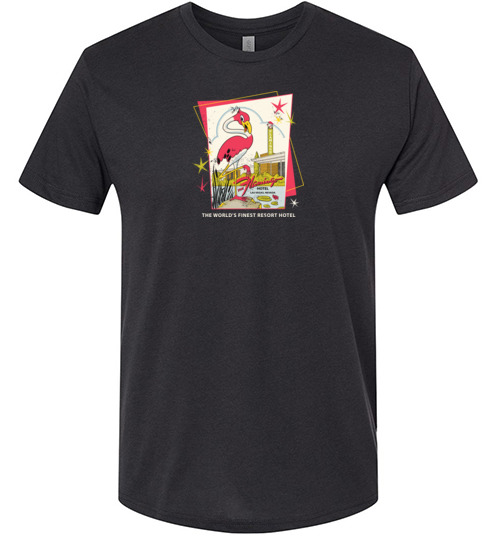
The Flamingo Hotel and Casino Las Vegas is one of the most historically significant resorts in Las Vegas history, widely recognized as the property that helped transform the Las Vegas Strip into a world-famous destination for luxury gaming, entertainment, and nightlife. Opening on December 26, 1946, the Flamingo introduced a new level of sophistication to Southern Nevada, combining upscale accommodations, fine dining, glamorous entertainment, and casino gaming into a single resort experience. The property was originally developed by notorious mob figure, Bugsy Siegel, who envisioned a glamorous desert resort inspired by Hollywood and European luxury hotels. Though the project suffered from massive construction overruns and a troubled opening, the Flamingo ultimately succeeded after reopening in 1947 with expanded amenities and refined operations. However, it cost Siegel his life; he was assassinated in 1947 because of the Flamingo construction overruns as well as the mob’s suspicion Siegel was skimming syndicate funds. Be that as it may, the Flamingo’s sleek modern architecture, lush landscaping, and lavish atmosphere quickly set a new standard for Las Vegas hospitality and opulence. Unlike earlier gambling halls and roadside casinos, the Flamingo was designed as a true resort destination. Guests could stay in upscale hotel rooms, dine in elegant restaurants, lounge beside tropical-style pools, enjoy headline entertainment, and gamble under one roof. This integrated-resort concept became the blueprint for future Las Vegas development. The Flamingo also played a central role in shaping the celebrity culture of the Strip. Throughout the 1950s and 1960s, it hosted major entertainers, high-profile gamblers, Hollywood stars, and political figures. Legendary performers appeared in its showrooms, helping establish Las Vegas as the entertainment capital of America. Over the decades, the property underwent numerous expansions and renovations while continuing to operate under the Flamingo name. Ownership changed several times as the Las Vegas gaming industry evolved from mob influence to large-scale corporate control, yet the resort retained its identity as one of the Strip’s foundational landmarks. The Flamingo’s legacy extends beyond gaming and entertainment. Its success helped accelerate development along Las Vegas Boulevard, encouraging other investors to build larger and more ambitious resorts nearby. In many ways, the modern Las Vegas Strip grew outward from the example established by the Flamingo. Today, the Flamingo stands as the oldest continuously operating resort on the Strip and a lasting symbol of vintage Las Vegas glamour, reinvention, and ambition. It even includes a nod to founder, Bugsy Siegel, with the long-running Bugsy’s Bar.


Reviews
There are no reviews yet