


Venue History
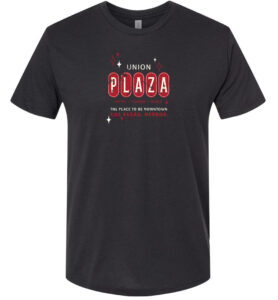
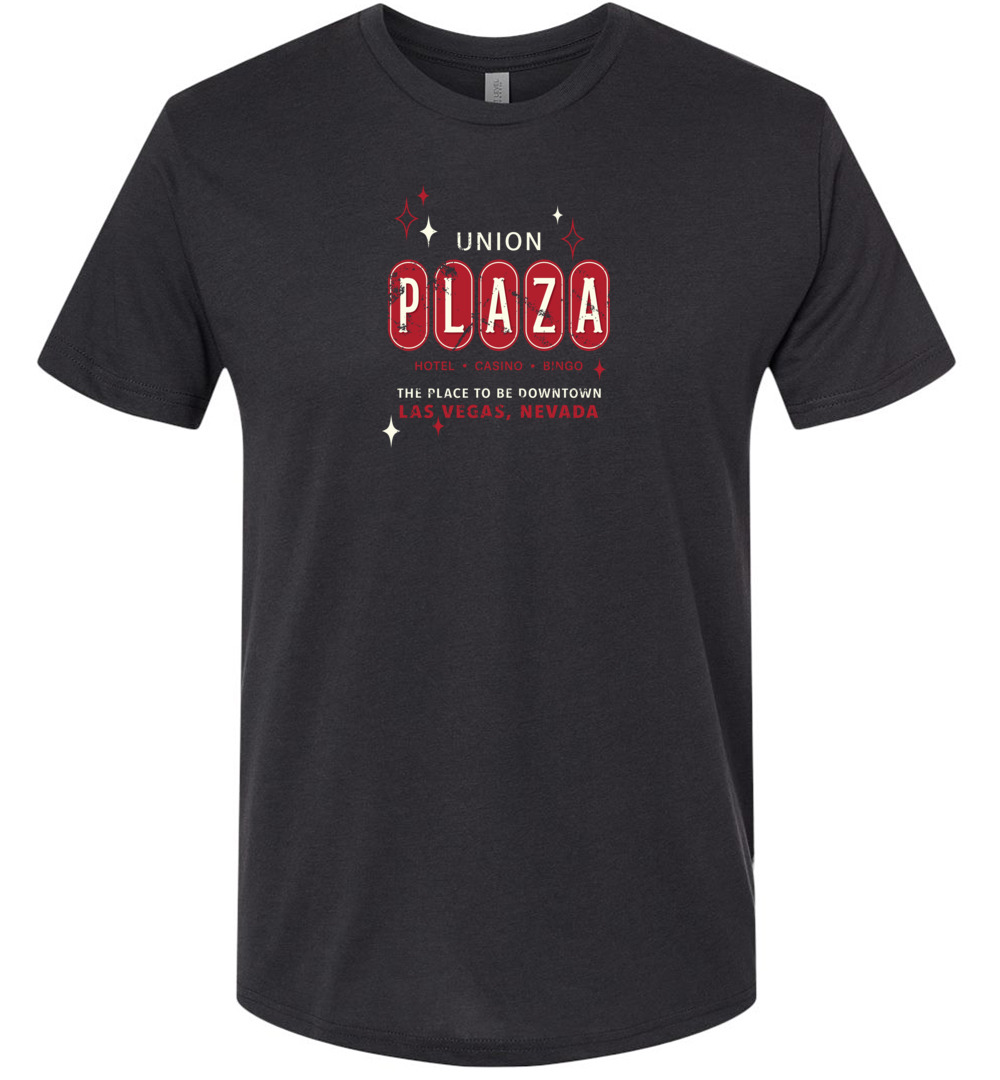
The Plaza Hotel and Casino is one of downtown Las Vegas’s most enduring and significant landmarks, standing at 1 Main Street at the western end of Fremont Street. It officially opened on July 2, 1971, as the Union Plaza Hotel and Casino, taking its name from the Union Pacific Railroad depot that had occupied the site. The location is especially important because the original Las Vegas townsite was established around the railroad in 1905. When the Union Plaza debuted, it was the largest hotel-casino in downtown Las Vegas, with 504 rooms in a 22-story tower and approximately 66,000 square feet of casino space. Its original ownership group included major Nevada gaming figures Sam Boyd, J. Kell Houssels, Jackie Gaughan, and Frank Scott. The property quickly became a dominant presence at the head of Fremont Street. The Plaza also retained a remarkable connection to rail travel. Amtrak’s Desert Wind continued serving Las Vegas through the property until 1997, with the station and ticket windows physically connected to the casino. This gave the Plaza the unusual distinction of being the only U.S. hotel casino with an operating passenger train station inside the property. During the 1980s, a second hotel tower and convention facilities were added, expanding the Plaza’s role beyond gaming and leisure. The property also became recognizable for its distinctive glass dome overlooking Main and Fremont Streets. That space eventually became the Center Stage Restaurant, where a memorable scene from Martin Scorsese’s Casino was filmed; today, the dome houses Oscar’s Steakhouse. The Plaza has appeared in numerous films and television productions and remains closely associated with the classic visual identity of downtown Las Vegas. After Tamares Group took full ownership in 2004, the resort underwent extensive renovations, including updated rooms, casino improvements, new dining concepts, and modernized public spaces. Today, the Plaza remains an active hotel-casino and the architectural anchor … the Fremont Anchor … of the Fremont Street Experience. More than five decades after opening, it continues to represent the transition between old-school downtown Las Vegas and the city’s modern era, part historic landmark, part working casino, and one of the most recognizable and impactful buildings in the Las Vegas skyline.



Reviews
There are no reviews yet