



Venue History
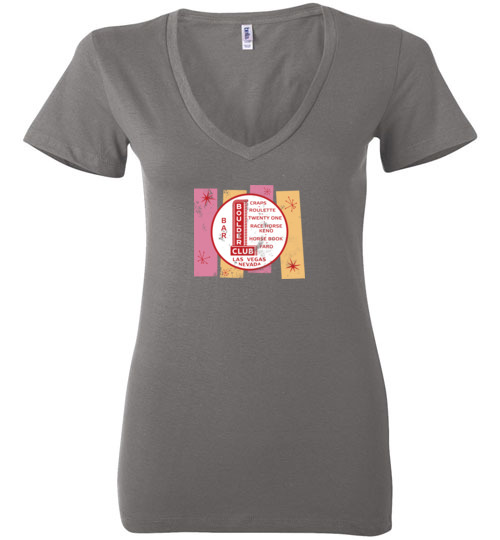
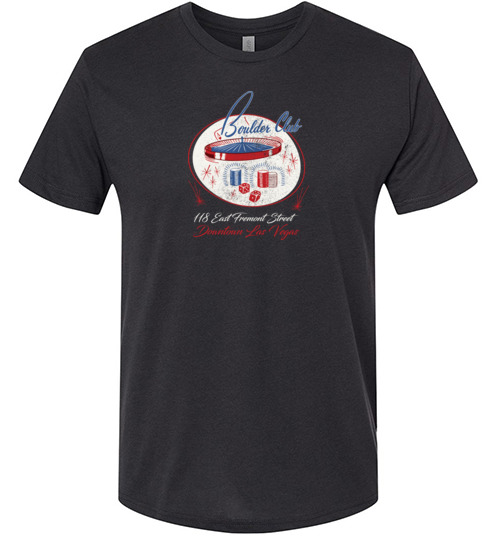
The Boulder Club, located at 118 East Fremont Street, was one of the foundational casinos of early Downtown Las Vegas, playing a significant role in shaping Fremont Street’s identity during the formative years of legalized gambling. Opening in 1929, shortly before Nevada legalized wide-open gaming, the Boulder Club became part of the first generation of casinos that transformed Las Vegas from a railroad town into a gambling destination. Named in recognition of nearby Boulder Dam (later renamed Hoover Dam), the casino reflected the optimism and economic momentum generated by the massive construction project just outside the city. Workers, engineers, and visitors connected to the dam’s construction frequented Fremont Street establishments, and the Boulder Club positioned itself as a welcoming stop for both locals and travelers seeking entertainment after long days in the desert. During the 1930s and 1940s, the Boulder Club operated as a modest but lively gambling hall, offering slot machines, blackjack, roulette, and dice games in an intimate environment typical of early Fremont Street casinos. Unlike later resort-style properties, the emphasis was on accessibility and social interaction. Patrons gathered not only to gamble but to drink, talk, and participate in the growing nightlife that was beginning to define Las Vegas. The Boulder Club’s neon signage became one of its most recognizable features. Over the decades, its glowing façade contributed to the evolving visual identity of Fremont Street, helping establish the neon canyon atmosphere that would later earn downtown its reputation as “Glitter Gulch.” The casino underwent various ownership changes and renovations throughout its history, adapting to new gaming trends while maintaining its classic downtown character. As larger casino resorts emerged on the Las Vegas Strip in the postwar years, Fremont Street properties like the Boulder Club faced increasing competition. Nevertheless, the casino endured, continuing operations into the mid 20th century as one of downtown’s long-standing gambling institutions. Eventually, changing economic conditions and redevelopment efforts led to its closure in 1960, ending its long-standing presence on Fremont Street. After its closure, the building was demolished to accommodate the Benny Binon’s Horseshoe Hotel and Casino expansion, which later became part of Binion’s Gambling Hall & Hotel. The Boulder Club is remembered as a cornerstone of early Las Vegas gaming history – a casino that witnessed the city’s transformation from frontier outpost to international entertainment capital, and whose legacy remains tied to the birth of Fremont Street as the original heart of Las Vegas gambling.


Reviews
There are no reviews yet